


First Responders in Action
Our message is resonating around California

The Trump Administration Has Changed Almost Every Aspect of Food Stamps
President Trump and his top officials have cast a sharp decrease in the number of food stamp recipients over the past year as evidence of economic progress and increasing self-sufficiency.

States Face Another Challenge With Medicaid Work Rules: Staffing Shortages
Katie Crouch says calling her state’s Medicaid agency to get information about her benefits can feel like a series of dead ends.
“The first time, it’ll ring interminably. Next time, it’ll go to a voicemail that just hangs up on you,” said the 48-year-old, who lives in Delaware. “Sometimes you’ll get a person who says they’re not the right one. They transfer you, and it hangs up. Sometimes, it picks up and there’s just nobody on the line.”
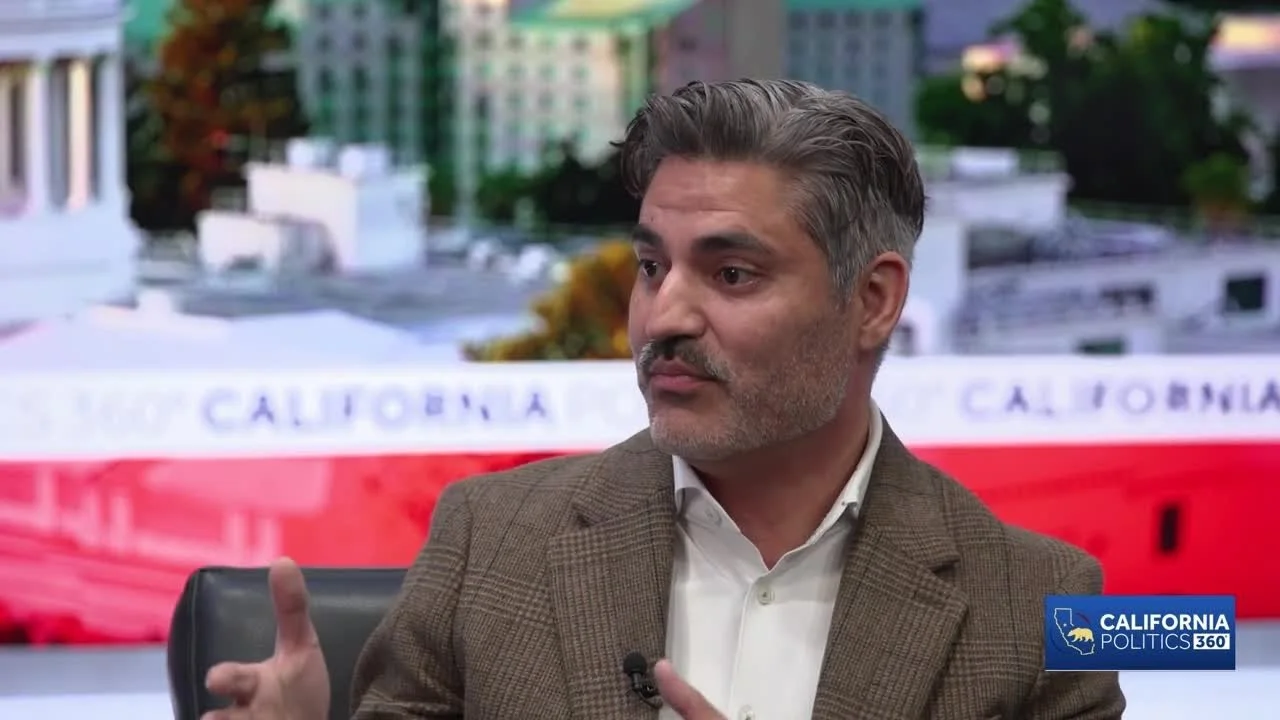
CA lawmakers prompted to address federal CalFresh eligibility cuts
The County Welfare Directors Association of California is urging state lawmakers and Gov. Gavin Newsom to help as food assistance programs face major changes that could result in food insecurity and strained food banks.
Changes required under the federal spending bill known as HR 1 this week forced California to cut off eligibility for food assistance thr0ugh CalFresh to lawfully present immigrants from CalFresh.
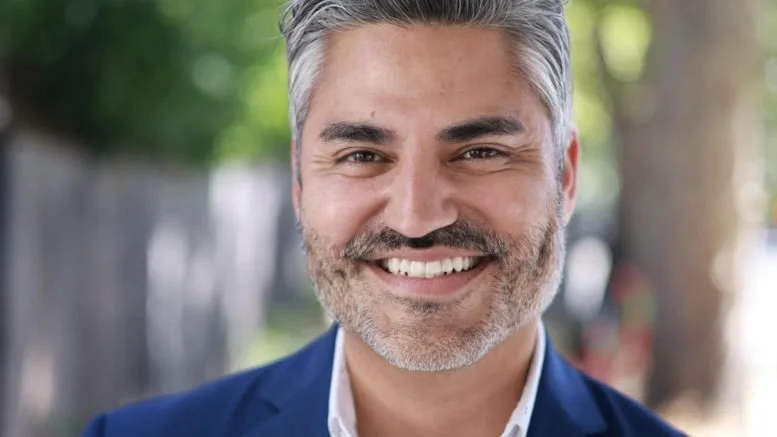
Q&A with Carlos Marquez of the County Welfare Directors Association of California: What H.R. 1 could mean for Medi-Cal, CalFresh, and county eligibility offices
A growing dispute in Sacramento could determine whether hundreds of thousands of Californians eligible for Medi-Cal and CalFresh lose their health benefits under new federal rules.
A dispute in Sacramento is emerging over how California will implement H.R. 1, the One Big Beautiful Bill Act, and whether counties will have the staff needed to manage new federal eligibility requirements for programs such as Medi-Cal and CalFresh. State officials and county administrators agree the law will significantly increase administrative workload for the eligibility systems that determine who qualifies for benefits. But they disagree sharply on how many workers will be needed.
County agencies estimate the new rules could require more than 2,000 additional Medi-Cal eligibility workers and roughly 400 additional CalFresh workers statewide. But the Governor’s current proposal does not include funding for those positions.

Mia Bonta pleads for ‘pandemic-level’ response to Feds’ gutting of Medi-Cal
Most people would rather not return to the early days of the COVID-19 pandemic. To address California’s current health care landscape, Assemblymember Mia Bonta, D-Alameda, says we must.
“We should be responding to this moment as if it were another example of the pandemic,” she said. “We should be having a COVID-level response.” “This moment,” for Bonta, is a series of political shocks reshaping California’s health care system — most notably the federal “One Big Beautiful Bill Act,” or House Resolution 1, signed last July, which altered everything from how states fund Medicaid to who qualifies for coverage.